Posted on 03/10/2026
Islington Council permits for Highbury floral displays: a practical guide for residents, businesses, and event organisers
If you are planning floral displays in Highbury, the first thing that usually surprises people is how quickly a beautiful idea can become a permissions question. A planter on a pavement, a row of hanging baskets, a shopfront display that spills a little into the street, or flowers for a one-off event can all look simple on paper. In practice, Islington Council permits for Highbury floral displays may matter more than you expect.
This guide walks you through the real-world side of it: what permits are about, why they matter, how the process usually works, and where people often trip up. You will also find a checklist, a comparison table, and a few practical tips from the sort of situations that come up all the time in London. Truth be told, most issues are avoidable once you know what to look for.
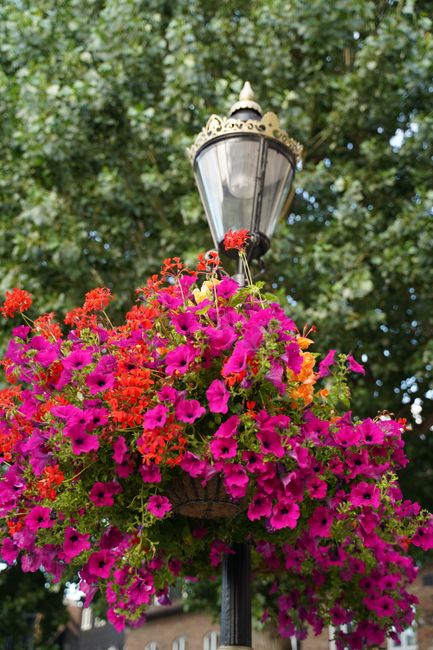
Table of Contents
- Why Islington Council permits for Highbury floral displays Matters
- How Islington Council permits for Highbury floral displays Works
- Key Benefits and Practical Advantages
- Who This Is For and When It Makes Sense
- Step-by-Step Guidance
- Expert Tips for Better Results
- Common Mistakes to Avoid
- Tools, Resources and Recommendations
- Law, Compliance, Standards, or Best Practice
- Options, Methods, or Comparison Table
- Case Study or Real-World Example
- Practical Checklist
- Conclusion
- Frequently Asked Questions
Why Islington Council permits for Highbury floral displays Matters
Highbury has a very particular rhythm. You get busy pavements, a mix of residential streets and local businesses, and plenty of places where a floral display can make a space feel calmer and more welcoming almost instantly. That is the upside. The other side is that anything placed in or near the public realm can affect access, safety, and how the street is used.
That is why permits, permissions, or approvals may matter. A display that looks harmless to the eye can still create issues if it narrows a footway, blocks sight lines, interferes with accessibility, or sits in a location that needs formal approval. And let's face it, councils tend to care less about how pretty something is and more about whether people can pass safely with a buggy, a wheelchair, or a wheelie bin in tow.
For local businesses, this matters for another reason: a well-managed floral display can support your shopfront, event, or venue without inviting complaints or enforcement headaches. For residents, it can help keep frontages attractive while staying on the right side of local rules. For event organisers, especially for weddings, memorials, seasonal celebrations, or community events, it helps avoid last-minute scrambles.
Key takeaway: If a floral display affects a public footway, public land, street furniture, or shared access, it is worth checking whether permission is needed before you install anything. A quick check now can save a lot of awkwardness later.
There is also a wider neighbourhood point. Highbury is at its best when businesses, residents, and visitors all feel the street is cared for. Floral displays can add to that sense of place, but only if they are placed thoughtfully. The permit question is really about balancing beauty with everyday use.
How Islington Council permits for Highbury floral displays Works
The exact route will depend on what kind of floral display you are planning. In plain English, the bigger the impact on public space, the more likely you are to need formal permission. A modest window display is usually a different matter from a planter that sits partly on the pavement or an arrangement fixed to a building in a way that changes the street frontage.
In practice, the process usually starts with three questions:
- Where will the display go?
- Will it stay entirely on private land?
- Could it affect pedestrians, vehicles, or public access?
If the answer to the first two questions is "private and contained," the job is usually easier. If the display reaches the pavement, roadway edge, lamppost area, or any shared space, more care is needed. Sometimes this means an application, sometimes it means a licence, and sometimes it means a quick conversation before you invest in the display itself.
Most council-facing decisions come down to a few common factors: safety, accessibility, visual impact, maintenance, and whether the display is temporary or ongoing. A temporary arrangement for a community event is not the same as a semi-permanent decorative feature outside a business, and the council will usually look at them differently.
If you are coordinating flowers for a wedding or memorial in Highbury, it can also help to think in terms of timing. Morning installation and evening removal often reduce disruption, especially on narrower streets. I have seen simple timing choices save people from a lot of stress. One florist on a quiet side street in the early light of a Friday morning? Fine. The same setup at the school-run rush hour? A very different story.
What the council is likely looking for
- Safe pedestrian movement
- Clear access for emergency services and maintenance
- No trip hazards, sharp edges, or unstable stands
- Appropriate size, placement, and duration
- Respect for neighbouring properties and businesses
If your floral display is attached to a shopfront, used as part of a special event, or meant to remain for more than a short period, it is sensible to treat the planning stage seriously. Not dramatic. Just careful.
Key Benefits and Practical Advantages
People sometimes think permits are only a hurdle. To be fair, they can feel that way at first. But done properly, they also create a better result. A permitted or approved floral display is usually more stable, more predictable, and easier to maintain without constant second-guessing.
Here are the practical benefits that matter most:
- Less risk of enforcement problems: You reduce the chance of being asked to move or remove a display at short notice.
- Better public safety: You can design the display around access rather than discovering the problem after installation.
- Cleaner project planning: You know what is allowed before spending money on flowers, containers, fittings, or labour.
- Improved street presentation: A properly planned display often looks more polished because it has been sized and positioned with purpose.
- Stronger trust with neighbours and customers: People notice when a frontage looks considered, not improvised.
There is a business angle too. If you are a florist, venue, retailer, restaurant, or property manager, a compliant display helps protect the investment. You do not want a carefully styled floral feature to become a source of friction three days later. That is the sort of thing that takes the shine off the whole job.
For private events, permits or permissions can also help with logistics. The simple act of clarifying access arrangements can improve setup times, deliveries, and removal. In London, that practical clarity is worth quite a lot.
Who This Is For and When It Makes Sense
Islington Council permits for Highbury floral displays are relevant to a wider group than many people expect. This is not just for large event companies or high-profile commercial premises. Smaller, everyday situations can bring the same questions.
Common readers who may need to check
- Shop owners and cafes adding curbside or frontage flowers
- Florists installing displays for customers or special occasions
- Homeowners who want planters or flower features near the boundary of public space
- Event planners arranging weddings, launches, receptions, or seasonal installations
- Community groups creating decorative street improvements
- Property managers responsible for shared entrances or front-of-building presentation
It makes sense to investigate permissions whenever the display is not obviously and entirely private. A flower arrangement in a window is one thing. A display that leans over the pavement is another. A planter in a front garden is one thing. A decorative run of pots on a boundary line that people regularly use as a shortcut is another. Small detail, big difference.
If you are unsure, ask yourself a simple question: would a passer-by need to step around it, step under it, or step off the usual walking line? If yes, treat it as something that may need checking.
This is especially relevant for seasonal periods, when streets feel fuller and more hurried. Winter evenings, early autumn rain, the Christmas run-up, or a Saturday near the local market can all make a narrow frontage feel even tighter. The display itself may be lovely. The timing and placement still matter.
Step-by-Step Guidance
If you want a sensible route through the process, keep it simple. Good preparation beats guesswork every time.
- Define the display clearly. Write down what you are placing, where it will go, how big it is, and how long it will stay there. Include whether it is freestanding, fixed, temporary, or recurring.
- Check whether it touches public space. Anything on or near the pavement, road edge, public verge, or access route deserves careful review.
- Measure the footprint. Know the width, height, and projected space the display will occupy. A tiny sketch is more useful than people think.
- Assess safety and access. Can someone with limited mobility pass comfortably? Can a delivery trolley or pushchair get through?
- Gather supporting details. Photos, a simple plan, and installation timing notes can make discussions much smoother.
- Contact the relevant council team or follow the local process. If a permission route is required, follow it before installation rather than after.
- Plan maintenance. Flowers fade. Wind moves things. Water leaks. Build in a realistic plan for checking and tidying the display.
- Keep records. Save approvals, correspondence, and any conditions that were attached. Future-you will be grateful, honestly.
If you are arranging a floral display for a special occasion, it also helps to work backwards from the event date. Leave enough time for any questions, revisions, or adjustments. The last thing anyone wants is a rushed fix at 7:30 in the morning when the van is already outside and somebody is trying to find cable ties with one hand.
A simple decision rule
If the display is purely decorative and fully private, the process may be straightforward. If it affects a shared or public area, slow down and check. That one habit prevents a lot of headaches.
Expert Tips for Better Results
In our experience, the best floral displays are rarely the most complicated ones. They are the ones that fit the setting properly. That means proportion, stability, and practicality matter just as much as the flower choice.
Use the street, not against it
Highbury streets vary quite a bit. Some frontages can carry a lush arrangement without feeling crowded. Others need a much lighter touch. If the pavement is already busy, keep the display slim and tidy. If the frontage is wide and set back, you have a bit more room to create something visual.
Choose materials that behave well outdoors
Weather is not a small detail in London. Containers should be stable, not flimsy. Arrangements should be secured against breeze and passing traffic. Watering systems should not drip across a walking line. That sounds obvious, yet it is exactly the kind of thing people forget when they are focused on colour palettes and ribbon choice.
Think in layers
A floral display does not need to be huge to look considered. A base layer of containers, a mid-height arrangement, and a small feature element can often work better than one oversized installation. The eye reads it as intentional, not cluttered.
Match the display to the purpose
A wedding display wants romance and neatness. A sympathy arrangement may need restraint and calm. A retail frontage may need impact without blocking visibility. A community display may need to be inclusive, durable, and easy to maintain. Different aims, different design choices.
Build in a removal plan
A display is only half the job. The removal plan is the other half. If no one has clearly agreed when and how it comes down, you can end up with wilted stems, damp cardboard, and a slightly awkward phone call. Not the end of the world, but avoidable.
One small but useful trick: take a photo of the display in place once installed, especially if it is approved for a specific layout. It can help if there is any later confusion about what was agreed. Very boring. Very useful.
Common Mistakes to Avoid
Most problems with floral display permissions are not dramatic legal dramas. They are practical mistakes. Small ones. The annoying kind.
- Assuming "flowers" means no permission is needed. Decorative does not automatically mean exempt.
- Starting with the display before checking. This is the classic one. People install first, ask later, and then have to undo work.
- Forgetting access needs. A display that is fine for one person can still be a problem for prams, mobility aids, or carrying bags.
- Ignoring weather exposure. Wind, rain, and temperature swings can change the safety profile very quickly.
- Using undersized or unstable bases. A pretty arrangement is not much use if it slides, tips, or spills.
- Leaving maintenance vague. Who waters it? Who checks it? Who removes damaged blooms? Be specific.
- Not considering neighbours. A display that overhangs or sheds petals everywhere can cause irritation faster than you might expect.
- Missing timing restrictions. Installation and removal windows may matter more than the design itself.
There is also a softer mistake: overdesigning. Some displays try to do too much. More stems, more height, more structure, more everything. Then the frontage feels heavy. Simpler usually wins. More elegant too, if we are honest.
Tools, Resources and Recommendations
You do not need a huge kit to manage floral displays well, but a few practical tools make life easier. If you are dealing with permissions or regular installations in Highbury, these are worth having to hand.
- Measuring tape: Essential for checking width, projection, and clearance.
- Camera phone: Useful for recording the site, the finished layout, and any changes.
- Simple site sketch: A hand-drawn plan is often enough to explain placement clearly.
- Weather-resistant containers: A stable base can save the whole arrangement.
- Maintenance checklist: Helps teams keep track of watering, deadheading, and tidying.
- Delivery and timing notes: Especially important if the display depends on a narrow installation window.
For flower quality, care, and aftercare, a practical guide to flower care can help you get more life from the display once it is in place. If you are sending blooms to another address, or working around an event timetable, delivery planning is just as important as the flowers themselves. If you need help with a wider local order, the pages for flower delivery in Highbury N5 and same-day flower delivery in Highbury N5 can be useful when timing matters.
For a more formal event, you may also want to look at options such as wedding flowers in Highbury N5 or funeral flowers in Highbury N5 where the styling and timing are often more tightly coordinated. Different occasion, different rhythm.
Law, Compliance, Standards, or Best Practice
This is the bit people often skim, and then regret later. While the exact requirements for Islington Council permits for Highbury floral displays depend on the display type and location, the underlying principles are pretty consistent across local authority practice in London.
You should pay close attention to:
- Public access: Avoid obstructing pedestrian routes or creating pinch points.
- Accessibility: Keep routes usable for wheelchair users, pushchairs, and people carrying shopping or luggage.
- Safety: Ensure installations are stable, visible, and not a trip or collision hazard.
- Maintenance: Keep displays tidy, fresh, and secure for the full duration they remain in place.
- Neighbour impact: Consider noise, overspill, waste, water runoff, and visual clutter.
Where a permit, licence, or approval is required, read any conditions carefully. Conditions can cover placement, duration, materials, removal, and maintenance. A common best practice is to treat those conditions as part of the project brief, not as a side note. That small shift helps teams work more consistently.
If a display is near a business entrance, gate, or communal access point, think about the daily use of the building too. A beautiful floral installation should never turn into a daily obstacle course. If people have to sidestep it every time they come home, the charm wears off quickly.
Also, if your display uses candles, electrical elements, or anything beyond fresh flowers and containers, separate safety checks may be needed. Keep those elements apart in your planning. Flowers, power, and fire sources really do not like being casually mixed.
Options, Methods, or Comparison Table
Different floral display setups come with different levels of complexity. The best option depends on where the display sits, how long it stays up, and how much public interaction it will have.
| Display type | Typical setting | Permission risk | Best for | Practical note |
|---|---|---|---|---|
| Window display | Inside shop or home frontage | Low | Retail, residential decoration | Usually easiest if fully inside private space |
| Frontage planters | At boundary or near entrance | Medium | Cafes, shops, terraces | Check width, stability, and footway impact |
| Temporary event flowers | Weddings, launches, receptions | Medium to high | Short-term installations | Timing and removal matter as much as appearance |
| Street-facing feature display | Near public pavement or shared access | High | Promotions, public-facing decor | Usually needs the most careful checking |
| Community floral installation | Shared local space | High | Neighbourhood projects | Often needs coordination and clear maintenance planning |
If you are deciding between a small contained display and a more visible frontage arrangement, start with the lowest-friction option that still achieves the look you want. That sounds cautious, but it saves time, and often looks better too. Less fuss, more focus.
Case Study or Real-World Example
Picture a small Highbury cafe preparing for a spring weekend. The owner wants a warm, welcoming frontage with fresh flowers in coordinated containers, something that feels elegant without shouting. The first idea is to place several large pots just beyond the doorway to create a soft edge between the interior and the street.
On inspection, though, the frontage is narrower than it looked from inside. There is enough room for one neat line of planters, but not enough for a double row. The cafe team measures the available space, checks how people naturally move past the entrance, and reduces the footprint by half. They also move the display slightly back from the main pedestrian line, so nobody has to weave around it.
That small change does three things at once: it improves safety, makes the frontage look cleaner, and reduces the chance of any permission issue. The final result is quieter than the original idea, but better. More balanced. More honest to the street.
Now imagine the opposite. A display is installed first, then someone notices it overlaps the route people use to pass a neighbouring doorway. The flowers are lovely, of course, but the arrangement now causes daily frustration. A quick adjustment before installation would have solved it. That is the whole game, really.
Another common example is a memorial or ceremony display. The flowers may be temporary, but the location still matters. A well-planned, short-duration display can feel deeply respectful and unobtrusive when positioned properly. In those moments, good judgement matters more than sheer size.
Practical Checklist
Use this checklist before any floral display goes ahead in Highbury.
- Have you defined exactly where the display will sit?
- Does any part of it touch or affect public space?
- Have you measured the full footprint, including overhang?
- Will pedestrians, wheelchair users, or pushchairs still pass comfortably?
- Is the base stable enough for wind and daily movement around it?
- Do you know how long the display will remain in place?
- Have you checked whether a permit, licence, or approval is needed?
- Do you know who is responsible for watering and upkeep?
- Have you planned the removal date and method?
- Have you kept photos, notes, or any written permission in one place?
If you can tick all of those off, you are in a much stronger position. Not perfect. But properly prepared, which is what matters.
Conclusion
Islington Council permits for Highbury floral displays are less about bureaucracy for its own sake and more about making sure attractive spaces remain usable, safe, and fair for everyone who shares the street. That is the real point. A display can still be beautiful and still be compliant. In fact, the best ones usually are.
Whether you are arranging flowers for a shopfront, a private celebration, a memorial, or a neighbourhood feature, the winning approach is the same: define the space, check the impact, keep the design proportionate, and handle permissions before installation if there is any doubt. Small steps, but they add up.
If you want the job to feel smoother from the start, focus on practical planning rather than trying to rescue things at the last minute. The flowers will look better for it. So will the street.
Get a free quote today and see how much you can save.
And if you are still deciding how to shape the display, take your time. A thoughtful floral arrangement has a way of making a place feel more human, and that is worth getting right.
Frequently Asked Questions
Do I always need a permit for a floral display in Highbury?
Not always. If the flowers stay fully on private property and do not affect access or public space, a permit may not be necessary. If the display reaches the pavement, road edge, or any shared area, you should check first.
What kind of floral displays are most likely to need approval?
Street-facing planters, frontage installations, displays fixed to buildings, and anything that narrows a public route are more likely to need formal permission. Temporary event displays can also fall into this category depending on location and duration.
How far in advance should I check the rules?
As early as you can. If the display is part of an event, delivery schedule, or business launch, leave enough time for any questions, adjustments, or paperwork. A last-minute check often causes avoidable stress.
Can a florist help with the permit process?
Yes, many florists are used to working around local permissions and access issues. They may not handle the council process themselves, but they can help plan the display so it is more likely to meet practical requirements.
What happens if I install a display without checking?
You could be asked to move it, reduce it, or remove it. In some cases, that means extra cost and wasted materials. It is much easier to check first than to undo work later.
Are temporary flower arrangements treated differently from permanent ones?
Usually, yes. Temporary displays may be viewed more leniently, especially if they are small and easy to remove. But temporary does not automatically mean exempt. Location still matters a great deal.
Do I need different permissions for a wedding or funeral floral display?
The occasion itself does not always decide the permission route. What matters more is where the flowers will be placed, how long they stay, and whether they affect public access. That said, event timing can make planning more sensitive.
How can I make a display safer for passers-by?
Keep the footprint modest, use stable bases, avoid overhanging the main walking line, and check the display in real conditions, including wind or rain. Safety often comes down to small practical choices rather than big design changes.
What documents should I keep if permission is granted?
Keep any written approval, condition notes, sketches, photos, and correspondence in one place. If someone later asks what was agreed, those records can save a lot of time.
Is there a difference between a decorative planter and a floral installation?
Yes, in practical terms there can be. A planter may be seen as a modest frontage feature, while a floral installation can involve more structure, more space, or more public impact. The bigger and more visible it is, the more care it needs.
Can weather affect whether a display is acceptable?
Absolutely. Wind, heavy rain, and slippery surfaces can change how safe a display is. A setup that looks fine on a calm morning may need extra support by the afternoon. London weather has a sense of timing, unfortunately.
What is the best first step if I am unsure?
Measure the area, photograph the location, and decide whether the display touches any public or shared space. From there, it becomes much easier to judge whether a permit or approval check is needed. That simple start is often enough to point you in the right direction.